
Лето уже не за горами. Как мы все знаем, хорошая машина... кондиционер Система кондиционирования воздуха может быстро охладить салон автомобиля и обеспечить комфортную поездку, но мы часто не знаем, как правильно ею пользоваться, как её обслуживать и ухаживать за ней. Нередко мы оказываемся в такой ситуации: включив кондиционер в невыносимую жару, обнаруживаем, что система неисправна, что может вызывать серьёзное беспокойство. Чтобы решить эти проблемы, мы предоставим подробное руководство по правильному использованию системы кондиционирования воздуха вашего автомобиля и ключевым моментам, которые следует учитывать при её обслуживании и ремонте.
Включение система кондиционирования воздуха автомобиля На первый взгляд это может показаться простой задачей, но на самом деле легко упустить из виду правильные методы и меры предосторожности. Хотя нам и не нужно досконально понимать, как работает вся система или какова её структура, крайне важно знать, как правильно её использовать и как правильно обслуживать. Понимание этих моментов не только повышает эффективность и долговечность автомобильного кондиционера, но и гарантирует, что система останется в исправном состоянии, поскольку её состояние напрямую влияет на наше здоровье.
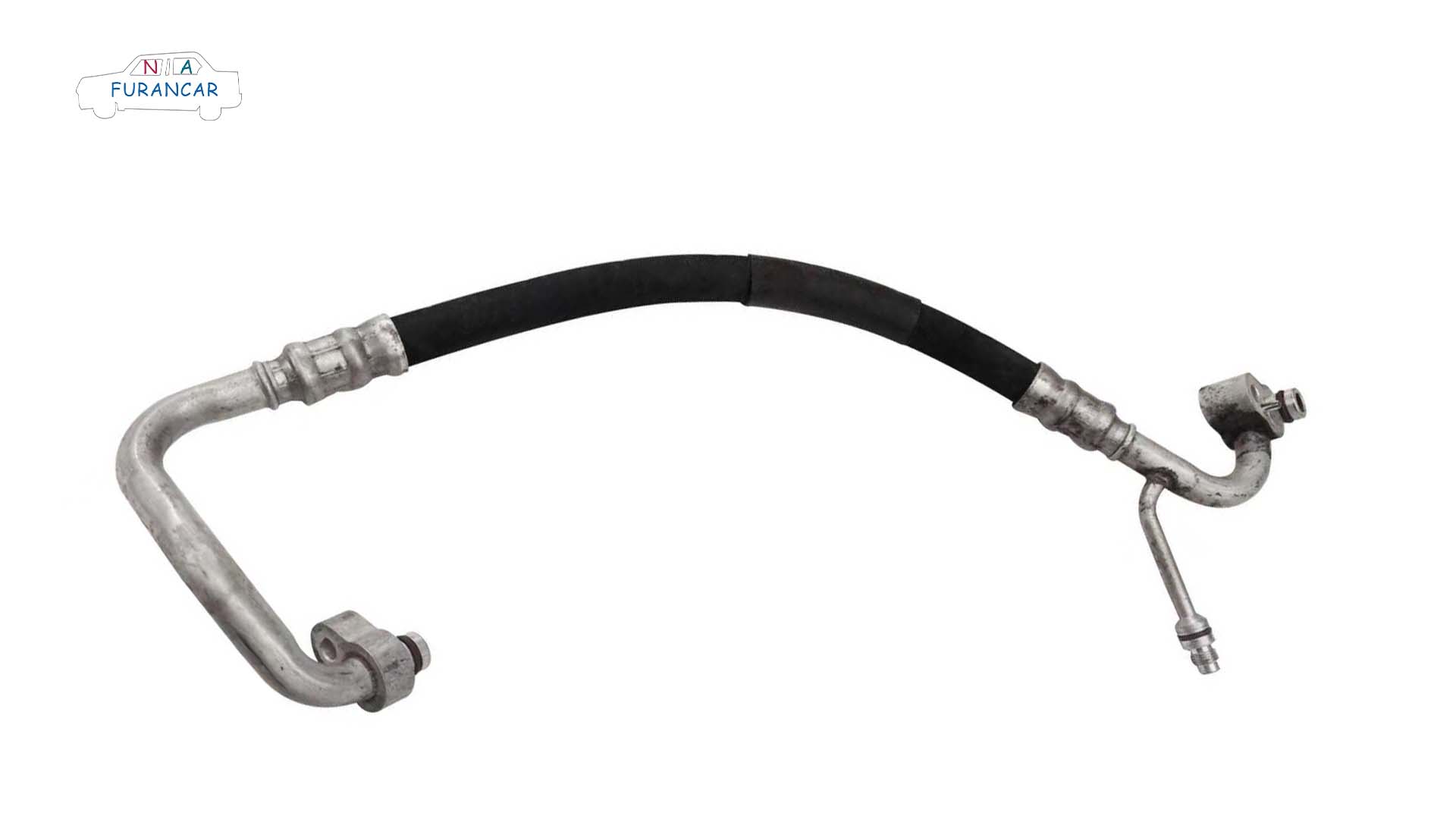
Регулярно включайте автомобильный кондиционер.
Во-первых, холодный воздух, выдуваемый из вентиляционных отверстий автомобиля, проходит через вентилятор и испаритель. кондиционер Система отопления, представляющая собой небольшой резервуар в системе отопления, и воздуховоды. Со временем в этих системах накапливается значительное количество пыли и влаги; при неправильном использовании или обслуживании это может привести к образованию плесени и размножению бактерий, что очевидно вредно для нашего здоровья.
В другое время года, когда кондиционер не требуется для охлаждения, его все равно следует включать хотя бы раз в месяц. Оставляйте его включенным всего на 30 секунд, а затем выключайте. Это обеспечит надлежащую смазку компрессора и всех трубок, предотвратит утечки и износ шлангов, а также повысит долговечность системы кондиционирования.
При попадании прямых солнечных лучей сначала дайте воздуху нагреться, прежде чем переключаться на охлаждение.
Когда автомобиль оставлен припаркованным под прямыми солнечными лучами, температура внутри может достигать 50°C и даже выше. Это превращает посадку в машину в настоящее испытание для водителя. Даже с включенным кондиционером трудно быстро снизить температуру. В лучшем случае можно почувствовать легкую прохладу из вентиляционных отверстий, в то время как сиденье и спинка остаются невыносимо горячими.
На самом деле, прежде чем сесть в машину, откройте все окна и двери, чтобы выпустить горячий воздух. Включите вентилятор и режим подачи свежего воздуха (пока не включая функцию охлаждения), чтобы ускорить циркуляцию воздуха и быстро рассеять тепло внутри автомобиля. Только после этого садитесь в машину, закройте окна и двери и включите функцию охлаждения. Это естественным образом улучшит эффективность и производительность системы кондиционирования воздуха.
Некоторые автомобилисты ради удобства оставляют кондиционер включенным постоянно летом. Однако при холодном запуске автомобиля ни смазка, обеспечиваемая моторным маслом, ни рабочая температура цилиндров не находятся на оптимальном уровне. В этих условиях нагрузка на двигатель и, как следствие, износ являются наиболее высокими из всех режимов работы. Кроме того, одновременная работа компрессора кондиционера и вентилятора увеличивает нагрузку как на двигатель, так и на электрическую систему, вызывая излишний износ двигателя и приводя к снижению эффективности охлаждения. Поэтому систему кондиционирования следует выключать при запуске автомобиля.
Однако в процессе охлаждения в автомобильных кондиционерах накапливается значительное количество влаги. Если двигатель немедленно выключить, эта скопившаяся влага не успевает быстро удалиться; со временем это приводит к образованию плесени внутри воздуховодов кондиционера, способствуя росту бактерий, вредных для нашего здоровья. Если вы чувствуете кислый, затхлый запах во время использования кондиционера, это обычно результат длительного неправильного использования. Чтобы решить эту проблему, за три минуты до прибытия в пункт назначения выключите функцию охлаждения и переведите систему в режим подачи свежего воздуха. Это позволит удалить как можно больше влаги из системы, тем самым снизив вероятность образования плесени внутри устройства.
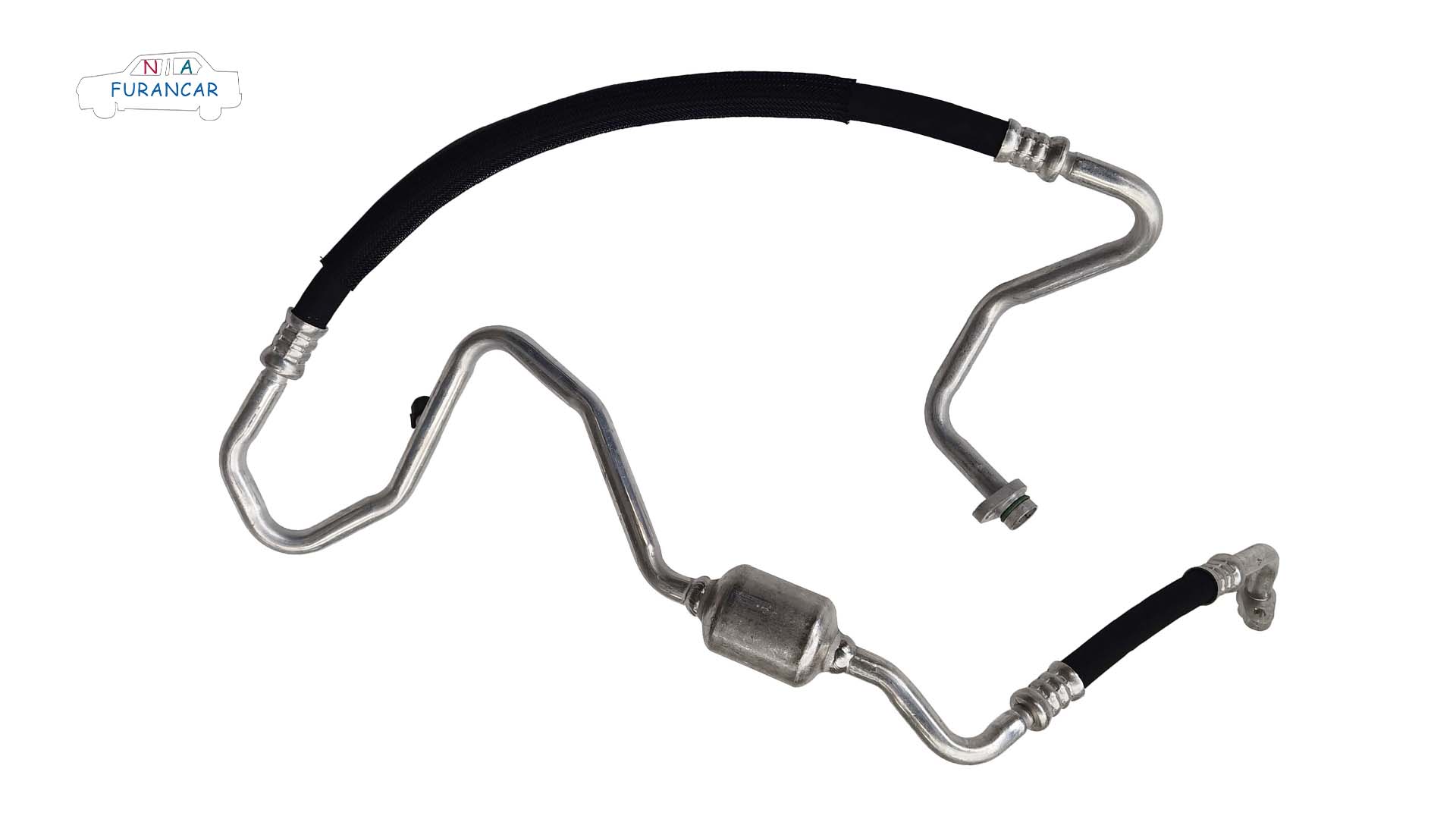
Время работы не должно быть слишком долгим.
Многие водители устанавливают минимальную температуру кондиционера и оставляют его включенным на длительное время, чтобы бороться с изнуряющей летней жарой. Однако на самом деле это очень вредно для здоровья. Из-за значительной разницы температур внутри и снаружи автомобиля чрезмерно низкие температуры внутри салона могут легко вызвать у пассажиров, только что приехавших из жаркого места, симптомы простуды или гриппа, связанные с жарой. Кроме того, длительное пребывание в холодном кондиционированном помещении увеличивает риск развития «болезни кондиционера». Для систем кондиционирования воздуха с автоматическим климат-контролем мы рекомендуем устанавливать температуру в диапазоне от 22°C до 26°C.
При использовании высокое давление воздух состояние шланг Длительное использование режима рециркуляции воздуха во время стоянки на открытом воздухе приводит к застою воздуха внутри автомобиля. Длительная езда в таких условиях может вызвать головокружение и затуманенность сознания, что может негативно сказаться на здоровье как водителя, так и пассажиров. Поэтому не рекомендуется использовать режим рециркуляции с закрытыми окнами в течение длительного времени. Во время длительных поездок следует часто переключаться на режим подачи свежего воздуха и делать остановки для отдыха через соответствующие промежутки времени, чтобы уменьшить усталость. Кроме того, в старых моделях автомобилей с плохой системой теплоотвода длительное использование кондиционера после стоянки может привести к чрезмерному повышению температуры охлаждающей жидкости, что в тяжелых случаях может вызвать повреждение двигателя.


 Whatsapp :
  Телефон :
  Эл.адрес :