
Турбонаддув — это технология, использующая выхлопные газы, образующиеся в двигателе внутреннего сгорания, для привода воздушного компрессора. Основная функция турбонаддува в автомобилях заключается в увеличении объема воздуха, поступающего в двигатель, что повышает мощность и крутящий момент двигателя, а также улучшает управляемость автомобиля. Однако после турбонаддува значительно повышаются как давление, так и температура внутри двигателя; следовательно, при внедрении технологии турбонаддува в двигатели крайне важны и усовершенствования материалов.
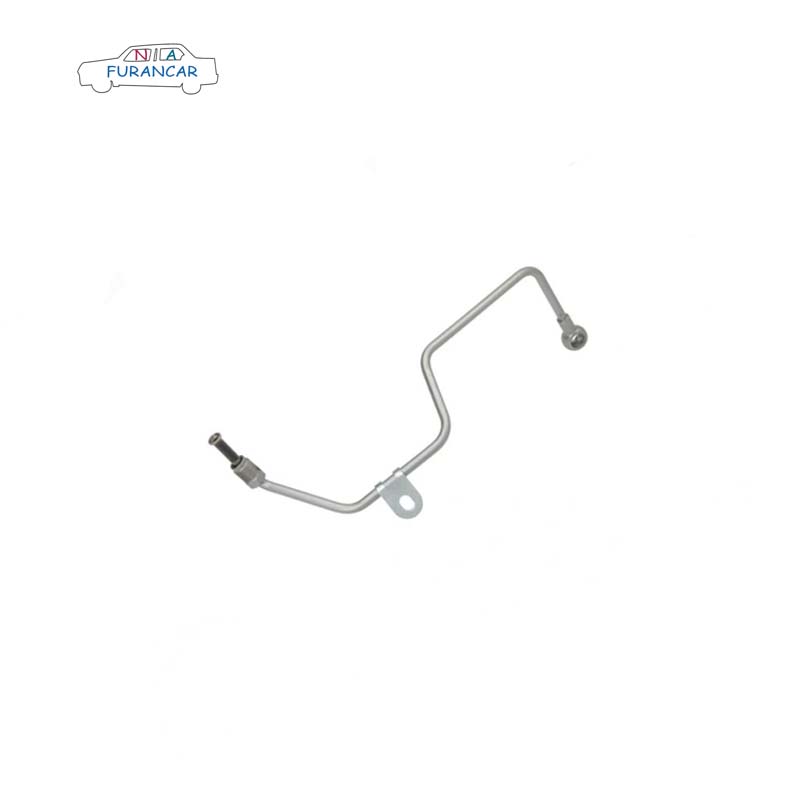
Высокая термостойкость
Газ в турбокомпрессоре генерирует высокие температуры из-за сжатия и интенсивного трения; даже после охлаждения температура газа обычно превышает 100 °C. Следовательно, материалы, используемые для шлангов в системах турбонаддува, должны выдерживать высокие температуры. Обычный натуральный каучук, стирол-бутадиеновый каучук (SBR) и полибутадиеновый каучук (BR) не соответствуют требованиям для использования в условиях высоких температур; поэтому необходимо использовать специальные высокотемпературные резиновые материалы. По мере повышения давления в турбокомпрессоре температура газа, проходящего через шланги, также увеличивается. Если давление достигает 3,5×10⁵ Па, температура газа, проходящего через шланги, может превышать 250 °C, и существует очень мало типов каучука, способных выдерживать такие высокие температуры.
Маслостойкость
Газ, проходящий через шланги в системе турбонаддува, обычно загрязнен парами масла; поэтому шланги должны обладать определенной степенью маслостойкости, особенно устойчивостью к парам масла высокой температуры. Некоторые виды резины с хорошей термостойкостью (например, силиконовая резина) обладают плохой маслостойкостью, поэтому для предотвращения коррозии от паров масла на внутреннюю стенку силиконового шланга необходимо нанести защитное покрытие.
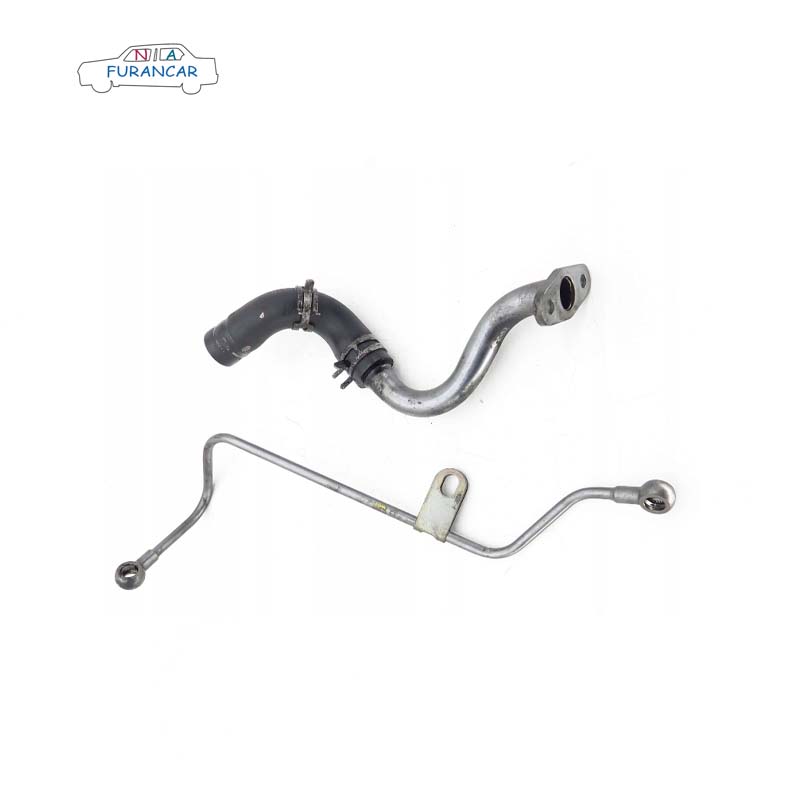
Сила
Системы турбонаддува подвергаются не только воздействию высоких температур, но и определенному давлению; в частности, давление на высокотемпературные участки трубопроводов относительно велико. Хотя в системах турбонаддува обычно используются армированные шланги (при этом армирующий слой является основным несущим компонентом), сама резина также должна обладать определенной прочностью для повышения общей прочности шланга. Кроме того, для соответствия требованиям процесса изготовления и сборки резина должна также обладать высокой прочностью на разрыв и прочностью на растяжение.
Комплект сжатия
Как правило, шланги турбокомпрессора соединяются с металлическими трубами с помощью хомутов, образуя трубопроводную систему. При высоких температурах резина должна обладать хорошей устойчивостью к деформации; в противном случае чрезмерная остаточная деформация может привести к ослаблению хомутов и отсоединению шланга, что может стать причиной аварии.
морозостойкость
Несмотря на то, что после запуска двигателя шланги работают в условиях высоких температур, после его выключения они подвергаются воздействию холодного воздуха. При запуске двигателя в холодных условиях зимой в холодных регионах резиновые шланги вибрируют при низких температурах. Если резина обладает низкой термостойкостью, шланги могут затвердеть и стать хрупкими, что приводит к таким проблемам, как разрыв, отрыв и потеря способности гасить вибрации.
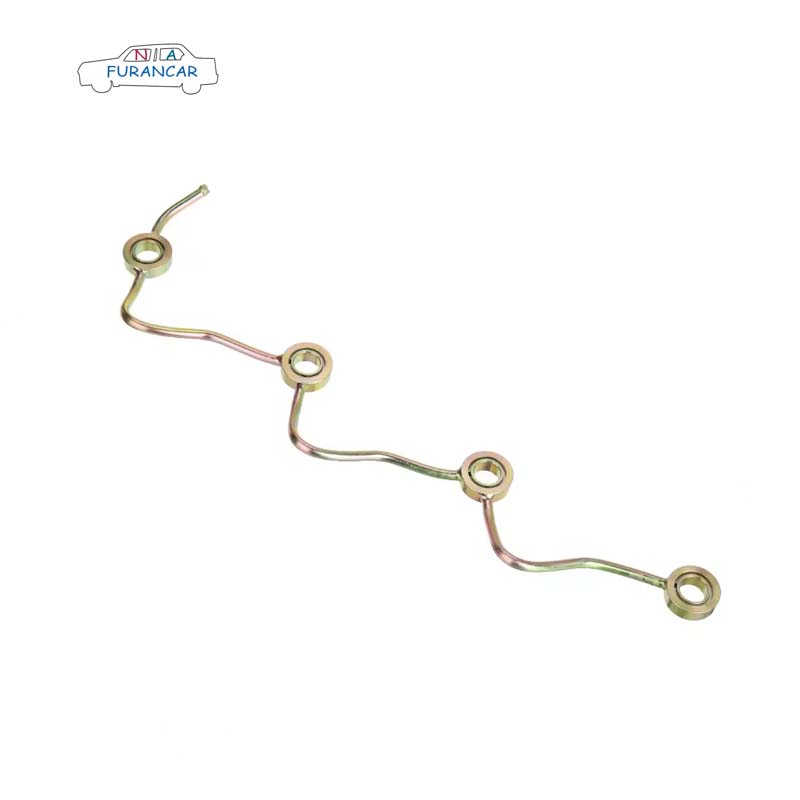
Прочность сцепления
Резиновый слой шланга должен сохранять хорошую адгезию к армирующему слою и внутренней облицовке в суровых условиях, таких как холод, жара и воздействие масла и газа, и должен обладать достаточной прочностью сцепления, чтобы предотвратить расслоение. Прочность сцепления зависит от свойств самой резины и ее состава, а также тесно связана с пропиткой и предварительной обработкой армирующего слоя, выбором клея и процессом склеивания; поэтому все эти факторы необходимо тщательно учитывать.
Твердость
Резина должна обладать подходящей твердостью. Если твердость слишком высока, шланг будет слишком жестким, чтобы эффективно гасить вибрации, его будет трудно установить, и он будет склонен к ослаблению; если твердость слишком низка, достаточная прочность не может быть гарантирована.


 Whatsapp :
  Телефон :
  Эл.адрес :